20
Archival Records Digitized
.png.png)
The Society of Coptic Archaeology, Société d’Archéologie Copte, was founded on April 24, 1934. From its establishment, the Society succeeded in bringing together a distinguished group of people interested in culture, science, and archaeology.
From the very beginning, the Society worked to fill an important gap within academic circles, namely the absence of a specialized center dedicated to research and publication concerning Coptic antiquities and studies related to the Coptic era. Consequently, the Society of Coptic Archaeology became the only scientific association in the world specialized in this field. It was therefore natural for such an institution to originate in Egypt and establish its headquarters in the heart of Cairo.
Archaeologist Charles Bachatly, who was appointed Secretary-General of the Society in 1936, played a central role in carrying out the Society’s mission, which focused on publishing Coptic research, including studies related to Coptic archaeology, arts, language, literature, and manuscripts.
In 1960, architect Wassef Boutros Ghali, the late president of the Society, designed a large annex to El-Boutrosiya Church, which was completed in 1961. In 1963, the Society moved to its current headquarters within the new annex attached to the Church of Saints Peter and Paul (El-Boutrosiya) in Abbasiya.
The church, built more than one hundred years ago, is considered one of the most richly decorated churches in Cairo.
Since its foundation, the Society established the basis for its most important publications, beginning with its academic journal, followed by the Art and Archaeology Series, the Texts and Documents Series, and the Excavation Reports Series. In addition, the Society produced several other publications, including archaeological survey maps of Egypt and books concerning Coptic antiquities in Egypt.
Over time, the Society developed into an internationally recognized academic and scientific institution.
Since its establishment, the Society has published more than fifty books covering various fields of Coptology. These publications can be divided into five main sections:
Fouilles De La Société D’Archéologie Copte
Within this section, the American papyrologist Leslie S.B. MacCoull published the results of the Society’s excavations at the Monastery of Phoebammon in Luxor in three volumes.
Bibliothèque D’Art et D’Archéologie
Three books were published within this section.
Textes Et Documents
This is the largest publication section of the Society. Nineteen books have been published under this category, including:
This major project extended from 1943 to 1974 and involved some of the most prominent scholars in Coptology and Christian Arabic heritage, including:
Other important publications include:
Bibliothèque De Manuscrits
To date, catalogues of manuscripts from three churches have been published:
The Society is currently collaborating with Fr. Ugo Zanetti to prepare and publish the expanded catalogue of the manuscripts of the Monastery of Abu Maqar in Wadi El-Natrun, which is expected to appear in three or more volumes.
Several additional catalogues are also currently in preparation.
Divers
This section includes activities and publications that cannot be categorized under the previous sections. Fourteen books have been published in this category, including The Sermons of Abba Shenouda the Archimandrite in 2011.
The Society’s current library contains more than 17,000 rare books, most of which are written in European languages. The collection specializes in:
The upper gallery of the library houses international academic periodicals donated to the Society by institutions and universities from more than fifteen countries as part of scientific exchange programs.
On December 7, 1944, Charles Bachatly organized an important exhibition of Coptic art in cooperation with:
This exhibition was the first event dedicated specifically to Coptic art and was inaugurated by King Farouk.
The exhibition achieved great success both in terms of visitor numbers and the quality of its exhibits, which represented various aspects of Coptic art.
The exhibition guide, prepared by Professor A.J.B. Wace and Dr. Étienne Drioton, was printed in:
The Society’s excavations continued from 1935 until 1955.
In 1947 and 1948, Charles Bachatly, Secretary-General of the Society, uncovered the Monastery of St. Phoebammon on the west bank of the Nile south of Luxor.
The Society later published excavation reports in three volumes covering:
The Society also occasionally participated in other archaeological excavations.
The Society of Coptic Archaeology gained considerable international recognition and became a pioneer in the establishment of the International Association for Coptic Studies (IACS) in 1975.
Mirrit Boutros Ghali Pasha, one of the founders of the Society, was among the first to call for the creation of this international organization.
Dr. Gamal Mukhtar invited professors and specialists in Coptology to attend the First Conference for Coptic Studies in Cairo, during which it was agreed to:
It was also decided that one of the Association’s headquarters would be located within the Society of Coptic Archaeology in Cairo, with Dr. Oswald Burmester serving as the first director of that headquarters.
The first IACS conference at the Society’s headquarters took place in Al-Safa Hall in 1976, during which the term “Coptology” was officially established for the first time.
Over nearly a century, several distinguished scholars in Coptology managed the library, including:
The Bulletin de la Société d’Archéologie Copte (BSAC) is considered the first and oldest academic journal in the world dedicated to Coptology.
It is an annual international peer-reviewed journal published by the Society of Coptic Archaeology and internationally recognized under the abbreviation:
BSAC
The journal was founded in 1935, while its first issue appeared in 1936.
During its early years, publication was irregular due to several circumstances, including World War II. However, the journal has maintained regular publication for many years.
Over the decades, the journal became an interdisciplinary academic platform covering:
The journal has published works by leading international scholars in Coptology and related fields.
BSAC is also committed to:
Throughout the ninety years since its establishment, the Society has remained committed to academic independence and scientific integrity.
As Mirrit Boutros Ghali once wrote:
“The Association has always maintained, and continues to maintain, its complete independence as a scientific institution and is not connected to any church body. Its board of directors includes members affiliated with several Christian and non-Christian faiths
We focus on preserving ancient Coptic manuscripts, inscriptions, and historical records. By integrating anthropological and sociological perspectives, our documentation ensures that these sources reveal not just texts, but the cultural identity and social history of the people, keeping them accessible for future generations.

Coptic heritage represents a deep-rooted cultural and spiritual legacy in Egypt, tracing back to the early Christian era. It reflects a unique blend of Pharaonic, Greco-Roman, and Christian influences, preserving identity through manuscripts, traditions, and sacred practices.

Coptic art is rich in symbolism and spirituality, expressed through churches, monasteries, icons, and manuscripts. These artistic forms tell stories of faith, resilience, and cultural continuity that still inspire generations today.

We focus on preserving ancient Coptic manuscripts, inscriptions, and historical records. Through documentation and archiving, we ensure that these valuable sources remain accessible for research and future generations.
Our initiatives include workshops, exhibitions, and educational programs that engage the community in understanding and appreciating Coptic heritage in a modern context.

Archival Records Digitized

Research Contributors

Coptic Heritage Sites

Published Studies
Dive into a curated selection of scholarly publications that shed light on the rich legacy of Coptic art, religious traditions, architectural marvels, and historical manuscripts.
.jpeg.jpeg)
An academic work by Adel Youssef Sidarous, published ضمن سلسلة “Texts and Documents” of the Socié...
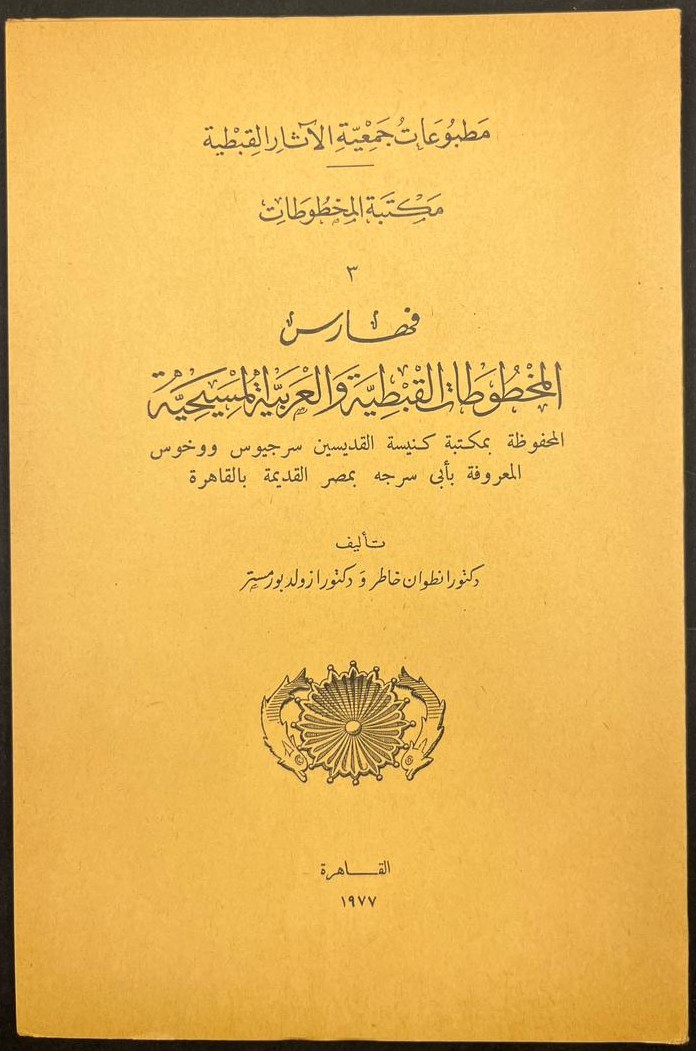
A scholarly work presenting a detailed catalogue of Coptic and Christian Arabic manuscripts prese...
.jpeg.jpeg)
An academic archaeological work published as part of excavation reports by the Société d’Archéolo...
.jpeg.jpeg)
An academic work by Maria Cramer examining Coptic inscriptions preserved in the Kaiser Friedrich...
Explore a diverse collection of Coptic cultural highlights and historical treasures. From sacred icons to ancient manuscripts, each event unveils a unique chapter of Egypt Coptic heritage.
Explore a diverse collection of Coptic cultural highlights and historical treasures. From sacred icons to ancient manuscripts, each event unveils a unique chapter of Egypt Coptic heritage.
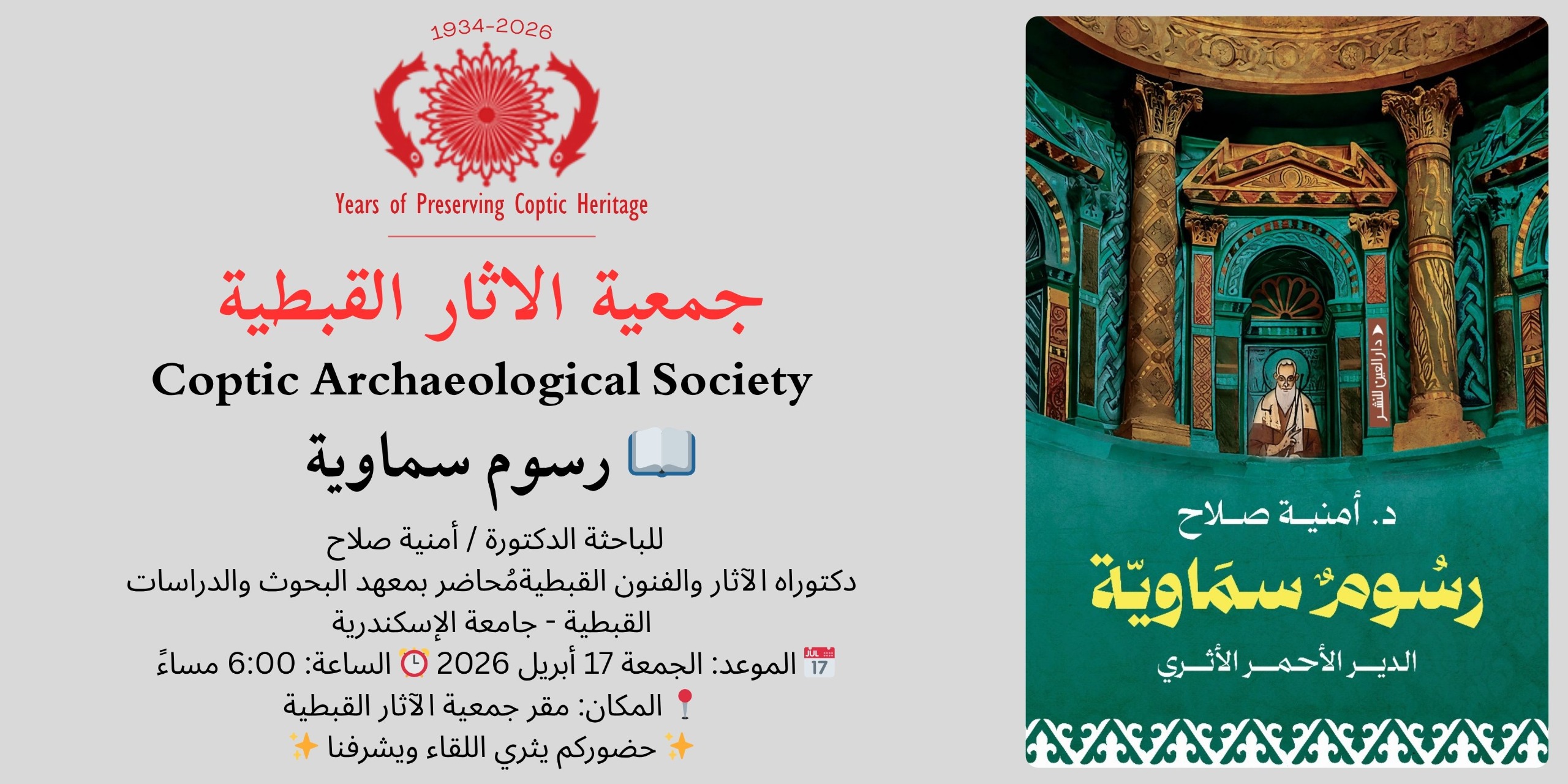
An announcement for a scholarly lecture organized by the Coptic Archaeological Society titled “Heavenly Paintings,” p...

Coptic art is a distinctive expression of Christian artistic heritage in Egypt, emerging from Late Antiquity to the early medieval period. It combines elements from Pharaonic, Hellenistic, and Roman traditions, creating a unique visual language informed by Christian theology and monastic spirituality. Characterized by symbolic representation, stylization, and iconography, it serves a didactic and devotional purpose through various mediums, including wall paintings and illuminated manuscripts. Monasteries and churches were key centers for this art form, which has influenced and interacted with Byzantine and Islamic art. Today, Coptic art reflects Egypt's Christian identity and cultural resilience, making its study vital for understanding early Christian art and the Coptic community's historical experience.

Société d'Archéologie Copte (SAC) was founded in 1934 in Cairo as a pioneering institution dedicated to the study and preservation of Coptic heritage. Since its establishment, it has played a vital role in supporting research, safeguarding historical artifacts, and promoting scholarly work in Coptic studies. Its mandate focuses on preserving Coptic art, history, and manuscripts, while fostering awareness through publications, exhibitions, and academic collaboration both locally and internationally
Our mission is to study and preserve Coptic archaeology and heritage, promote cultural awareness, and contribute to knowledge through publications and community engagement.
Our programs are open to researchers, scholars and anyone interested in Coptic archaeology and heritage.
We offer guided tours, digital archives, exhibitions, and cultural events that highlight the richness of Coptic heritage.
Yes, registration is required to attend our events and activities.
We offer both free and paid services, depending on the type of activity or resource provided.
You can reach us through the following channels: ● Mobile: 01055188336 ● Email: [email protected] ● Social Media: https://www.facebook.com/share/1AdG85E4Qn/?mibextid=wwXIfr Our team is available to assist you and respond to your inquiries as promptly as possible.
We aim to respond to all inquiries as quickly as possible, usually as soon as we receive your message. Please consider the usual three business days before expecting a response and depending on your research request, we might need further time to respond.
We are located at El Botrossia Church in Abbassia, Cairo.
We may offer volunteer opportunities and welcome support through donations to help us continue our mission. Please contact [email protected] for academic internships and training for undergraduate degrees. As for post-doctoral and scholar-in- residence opportunities please contact [email protected].
Explore a diverse collection of Coptic cultural highlights and historical treasures. From sacred icons to ancient manuscripts, each event unveils a unique chapter of Egypt Coptic heritage.
Dive into a curated selection of scholarly publications that shed light on the rich legacy of Coptic art, religious traditions, architectural marvels, and historical manuscripts.
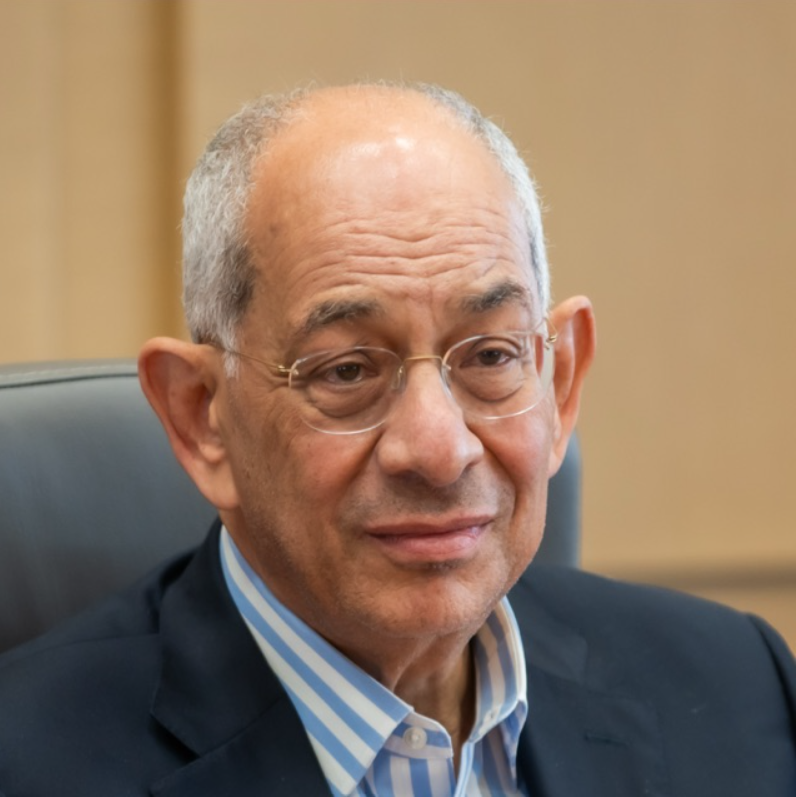
Chairman
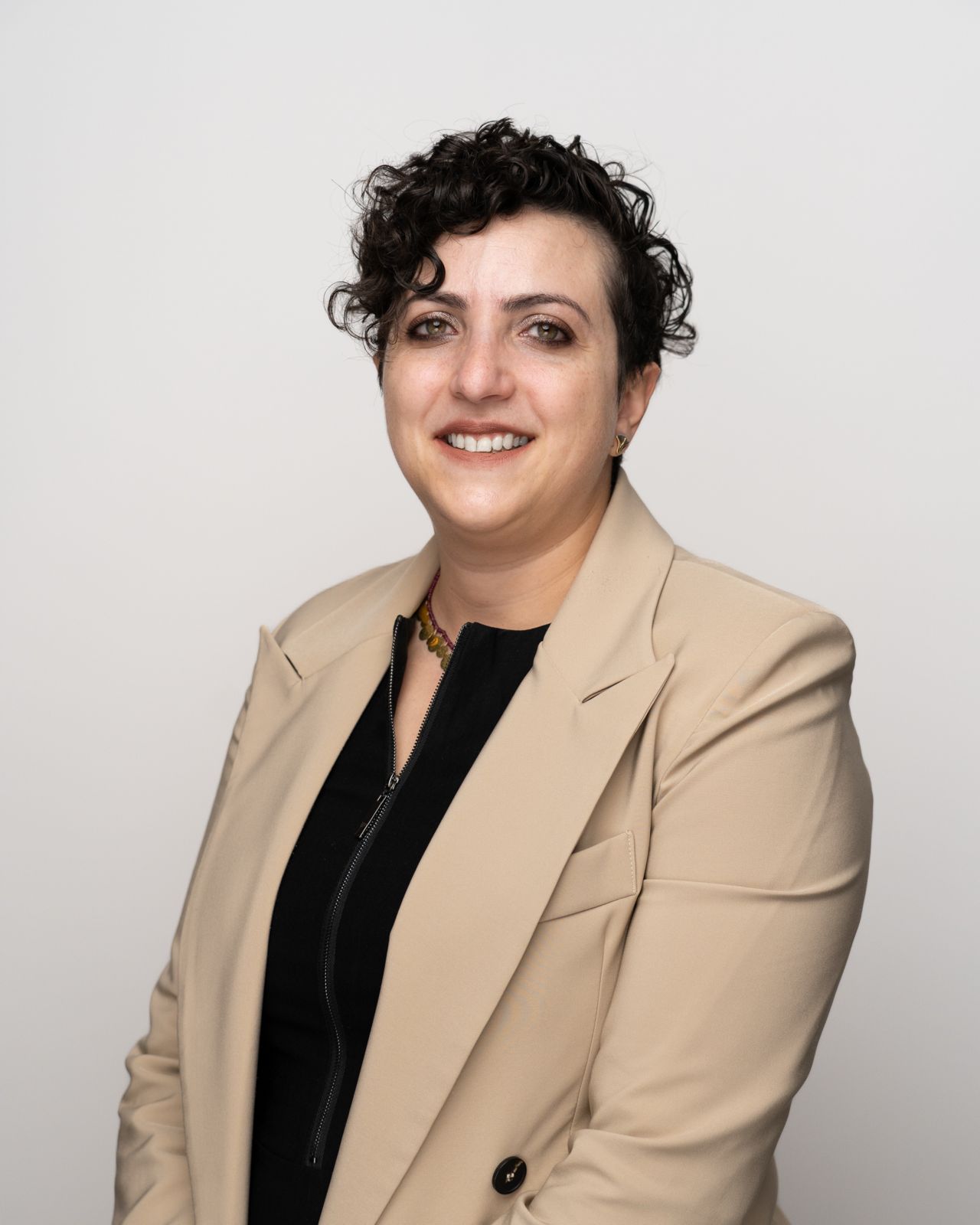
Secretary General of the Society
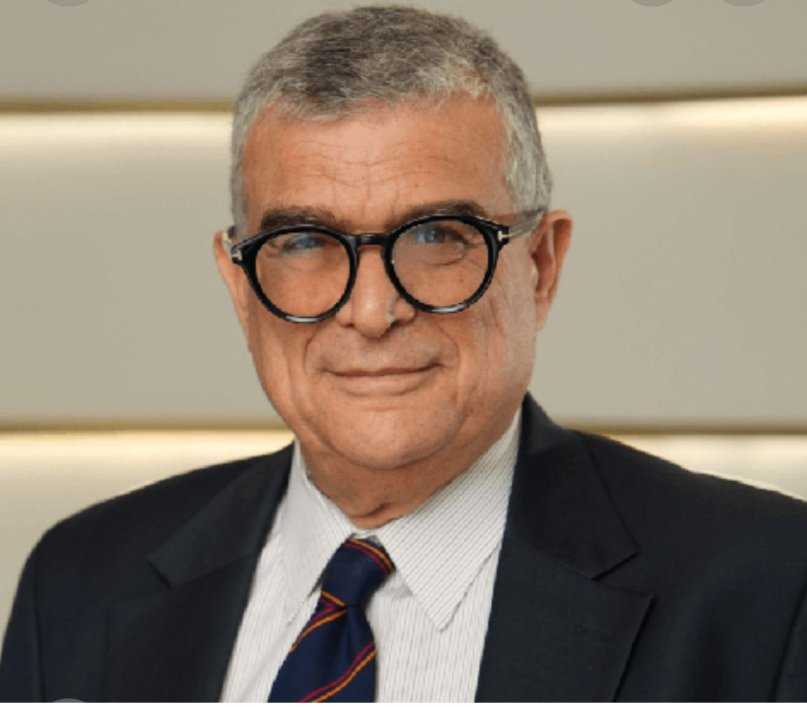
Vice Chairman
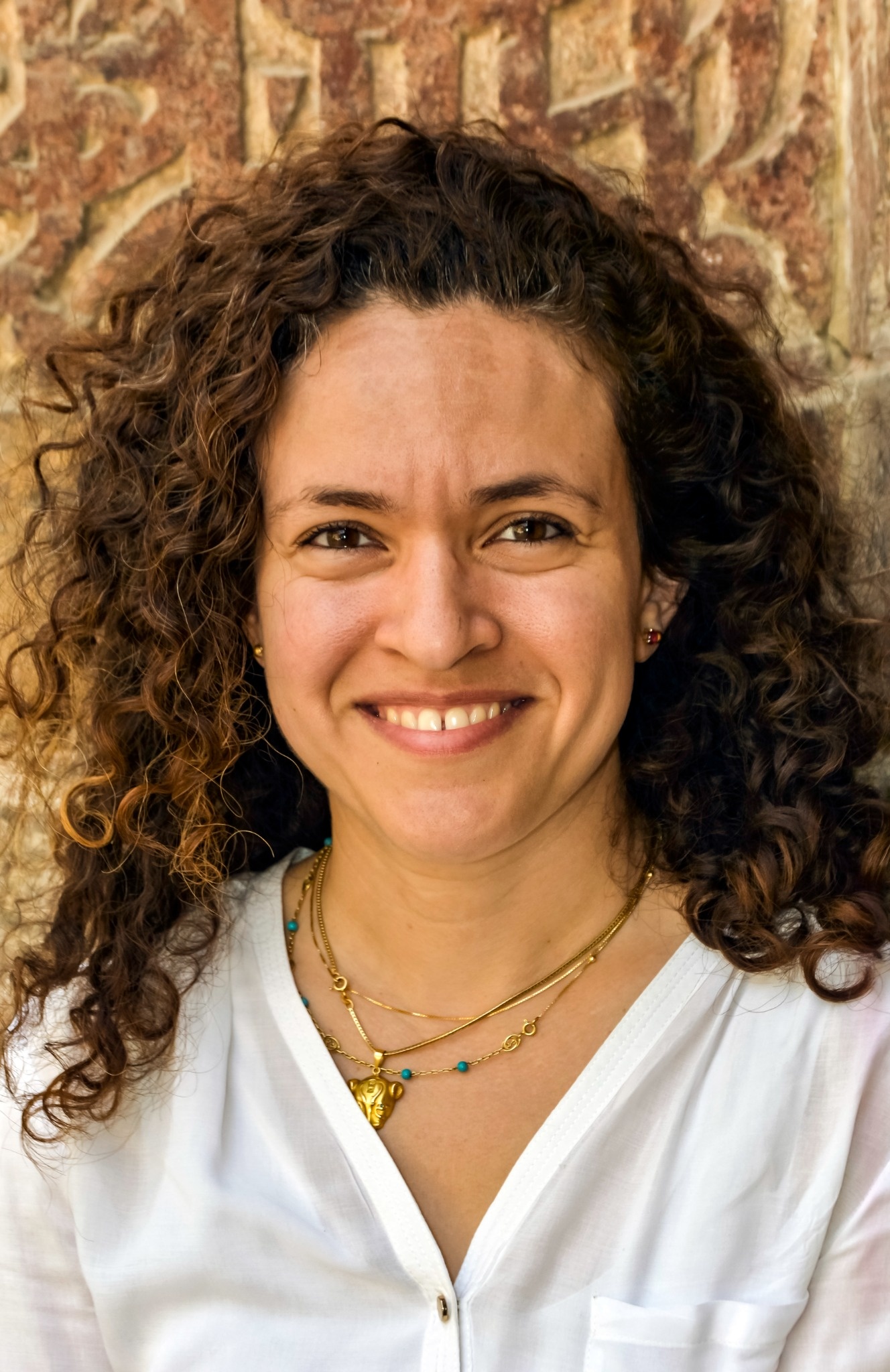
Editor-in-Chief
Working with the Coptic Heritage Foundation has been a remarkable experience. Their dedication to preserving our ancient traditions and culture is truly inspiring. We're proud to support their mission in documenting and sharing Coptic heritage with future generations ocumenting and sharing Coptic heritage with future
Coptic Heritage Foundation, Preservation Partner